
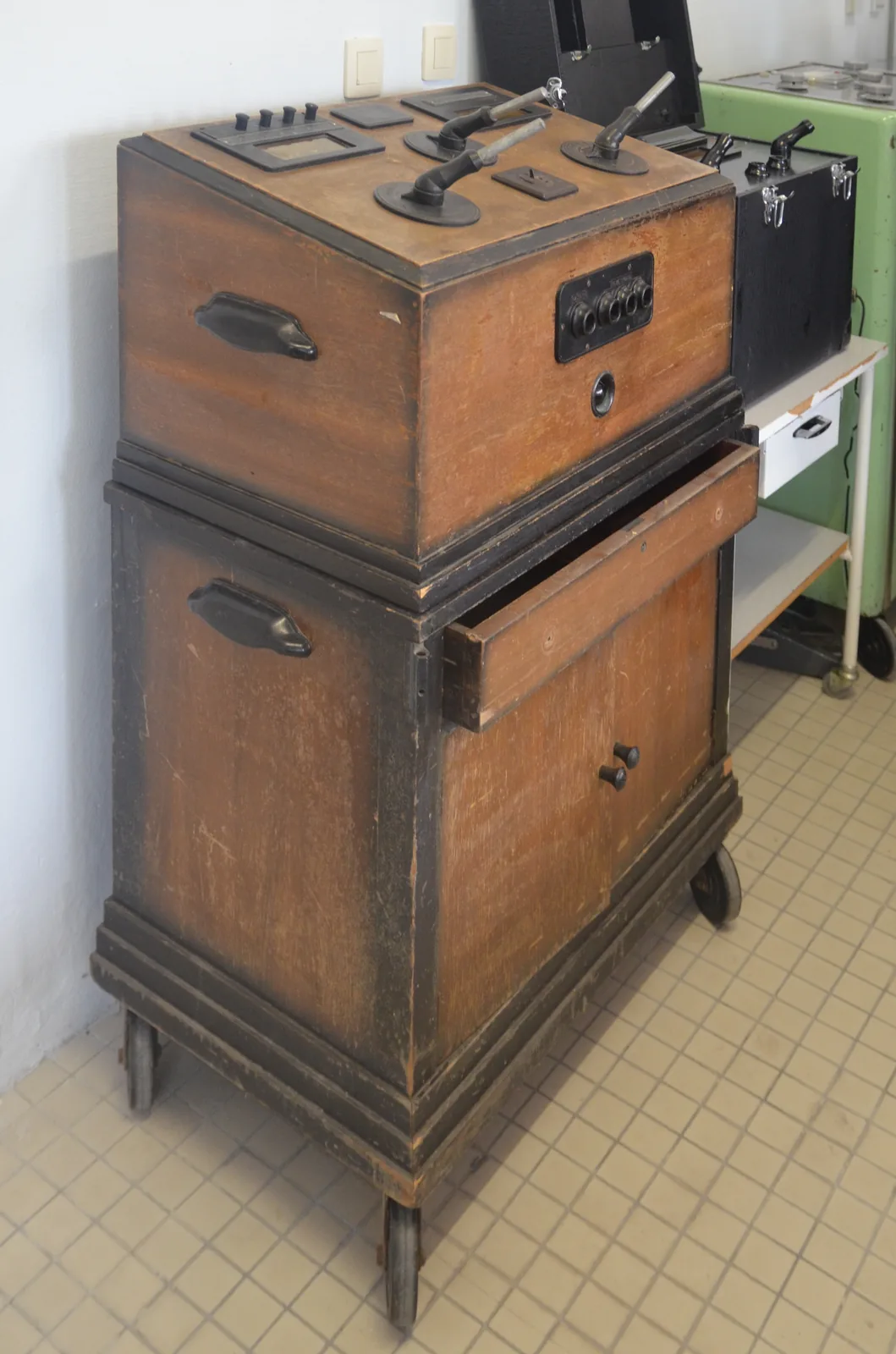
Before Bovie: when heat travelled from the instrument into the tissue
Long before electrosurgery, people used heat on tissue.
Cautery is straightforward: a metal rod is heated, then applied to the tissue. The heat travels from the instrument into the tissue.
Electrosurgery is different. The current passes through the tissue, and the tissue itself generates heat because of its impedance [1].
The difference looks like a single line of physics. It opened another chapter of the operating room.
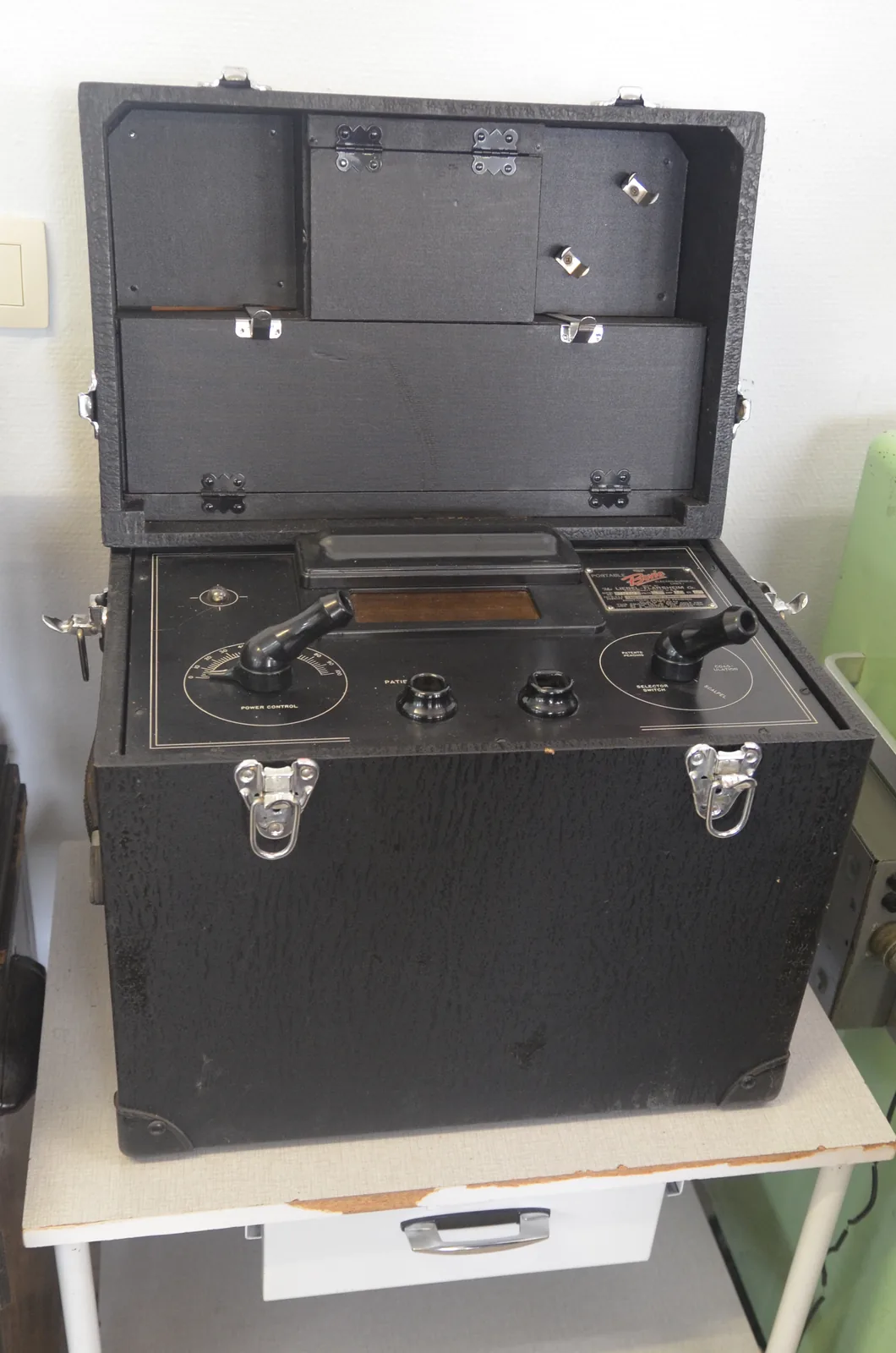
In 1920, William T. Bovie – a researcher with a doctorate in plant physiology at Harvard – built an electrosurgical generator using high-frequency alternating current that could cut or coagulate tissue [1].
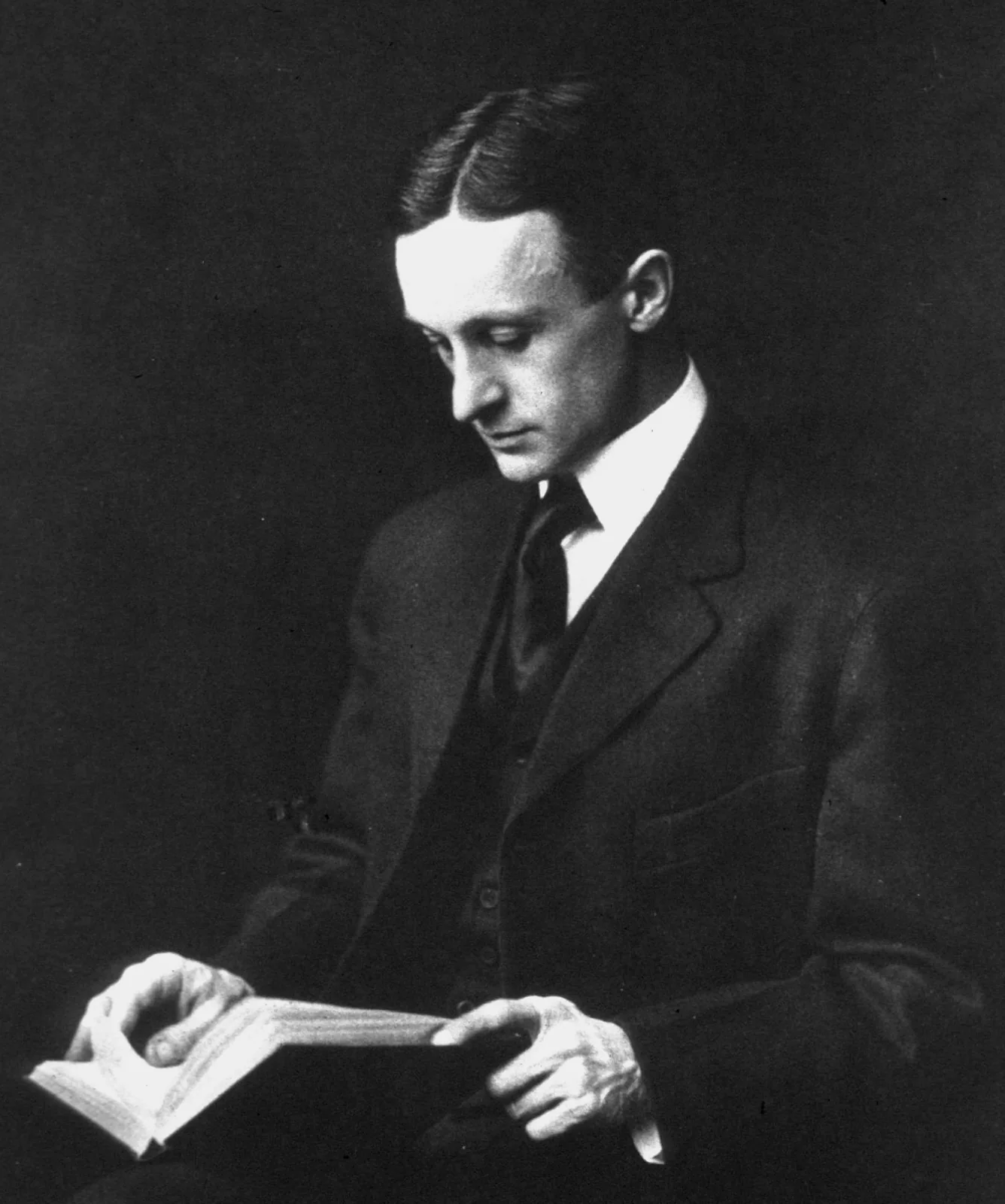
Six years later the device entered surgery on patients, in the hands of the neurosurgeon Harvey Cushing [2].
It was not only a new device. By greatly reducing blood loss, electrosurgery allowed Cushing to operate on tumours previously considered inoperable [2].
And one detail is recorded in the literature: Cushing never studied the physics of the device he used [2].
In 1996, a review noted that after 75 years the basic design of the Bovie unit was still a fundamental tool of surgical practice [1].
A current passing through tissue
What actually happens at the tip of the electrode?
The generator passes high-frequency alternating current through the tissue. The tissue has impedance, so as the current passes, the tissue itself heats [1].
At a high enough frequency, the current no longer stimulates nerve and muscle: no contractions, no sensation of shock. What it produces is local heat [3].
From this, two familiar functions take shape.
In CUT mode, water inside the cells vaporises very quickly, the cells burst and the tissue separates. In COAG mode, heat builds more slowly, proteins coagulate and bleeding stops [3].
The same current, but its path defines the configuration of the system.
In monopolar mode the current runs from the active electrode through the patient and back to the generator through a large neutral electrode. In bipolar mode the current runs only between the two tips of the forceps [4].
That is why a detail far from the operative field – the neutral electrode pad – still deserves attention. It must make wide enough contact; if it lifts partially or is applied off-centre, current density at the contact area can rise and cause a burn at the pad site [4].
When energy does not stop at the visible line
In surgery the line of incision can be very fine. Energy does not always stop where the eye sees the boundary.
An experimental study on ex vivo porcine muscle measured lateral thermal spread. After 5 seconds at maximum power, the mean temperature in adjacent tissue was 78.9 °C with monopolar diathermy, 41.9 °C with bipolar, 47.6 °C with the Harmonic Scalpel and 44.2 °C with LigaSure [5].
Those figures belong to one experimental model, not to results in patients. But they show why understanding the mechanism of a device matters in practice.
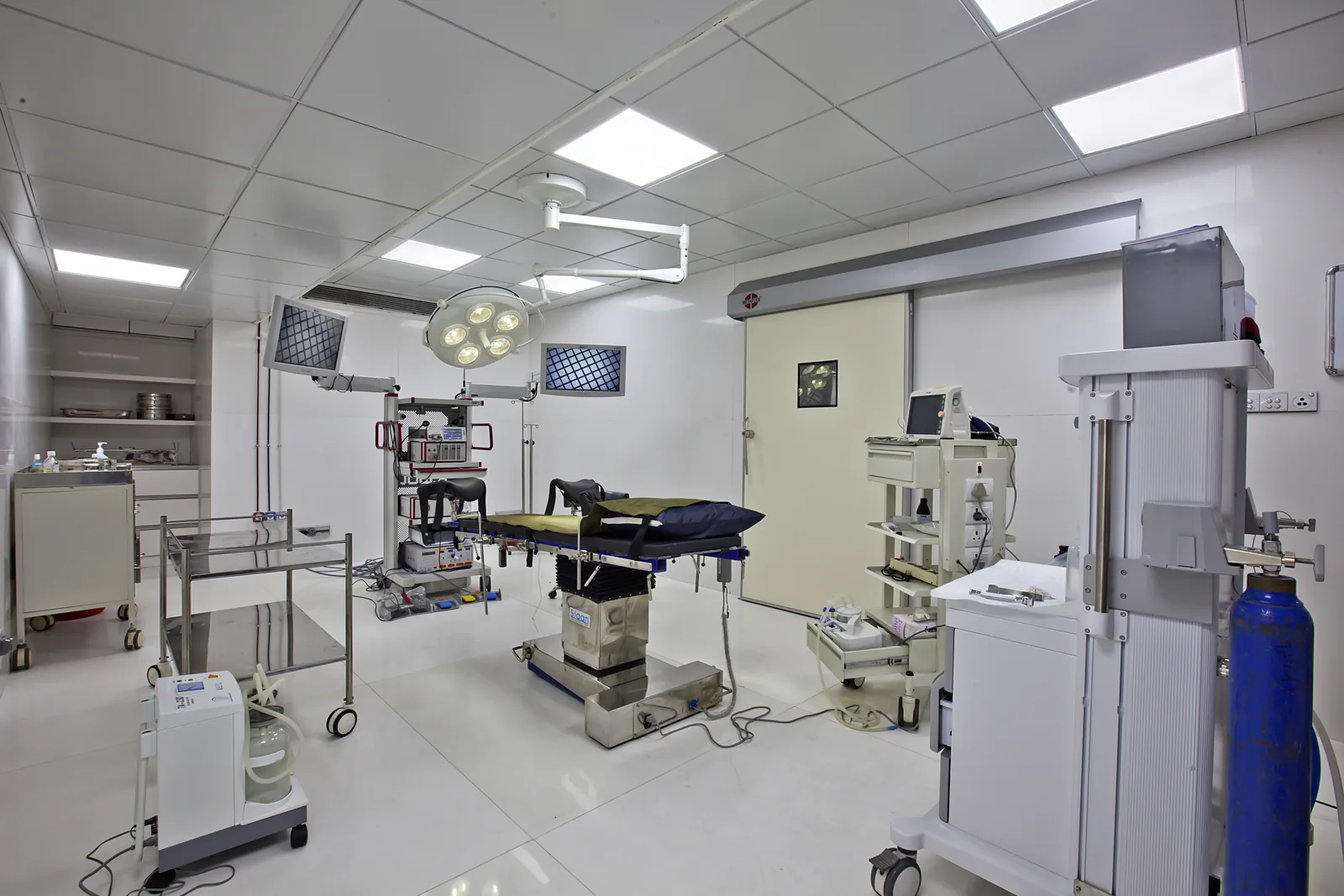
Electrosurgery can be associated with unintended burns, operating-room fires and interference with implanted devices. According to the review, the key safety factor is that the user understands the device they are operating [4].
Behind a “cut” or “coag” button there is still physics. And behind the physics, still the surgeon’s judgement.
Vesalius, one line of development in electrosurgery
Within that history, Telea Electronic Engineering S.r.l. – Telea Medical, in Sandrigo, Vicenza, Italy – was, according to the company, established in 1988.
According to Telea, the basis of the Vesalius devices is QMR technology (Quantum Molecular Resonance), working in a frequency spectrum around 4 MHz with its harmonics.
The Vesalius line comprises three generators with different configurations. Vesalius Quantum Smart offers monopolar and bipolar modes; Vesalius N2 and Vesalius Essential Smart are bipolar systems.
According to the Quantum Smart instructions for use, the device is intended for cutting, excision, dissection and coagulation of soft tissue, and haemostasis of vessels in surgery. According to the manufacturer’s brochure, the N2 and Essential Smart are used in neurosurgery, skull base and spinal surgery.
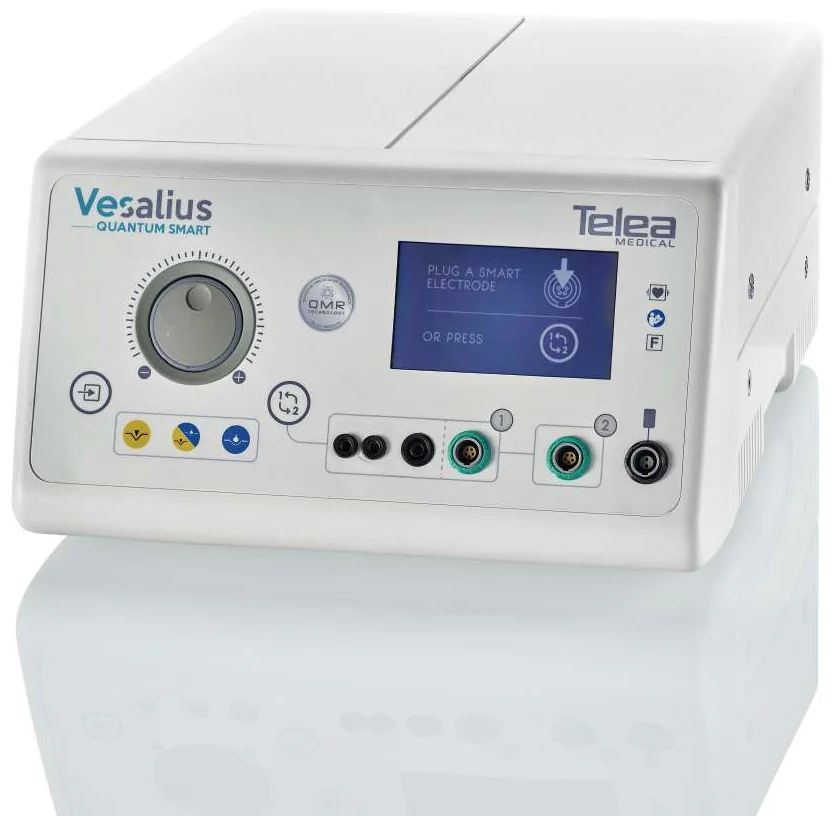
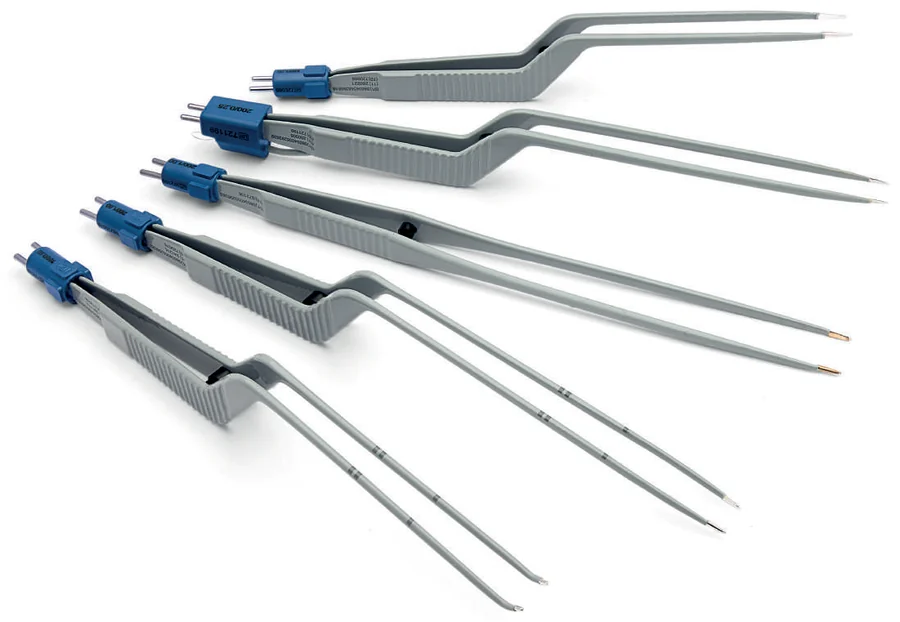
The system includes reusable bipolar forceps with silver-alloy tips – Leonardo, SilverSlim, Micro EVO, Adson and irrigating versions – together with single-use bipolar forceps, transsphenoidal bipolar instruments and an irrigation pump.
How QMR has been studied
Publications on this technology have to be read according to the design and population of each study.
Schiavon et al. (2007) carried out an animal study – 46 rats, thoracotomy model – comparing a QMR device with standard electrocautery. The authors concluded that the QMR device “may provide an alternative” to gold-standard electrosurgical devices in thoracic surgery [6].
D’Eredità and Bozzola (2009) ran a randomised trial in 157 children undergoing tonsillectomy; the comparator was coblation, not conventional electrosurgery. The study found less histopathological thermal injury and lower pain scores than coblation, and the authors advised further studies [7].
D’Agostino et al. (2008) conducted a randomised study in 800 children undergoing tonsillectomy. Operating time and blood loss were significantly lower in the molecular-resonance bipolar group. However, there was no significant difference in the amount of analgesia used, and postoperative bleeding episodes were comparable between the groups [8].
Tarantino et al. (2004) studied 600 children undergoing adenoidectomy, compared with curette adenoidectomy. The molecular-resonance group had shorter operating times, less bleeding and faster healing of the nasopharynx; the authors concluded the method is suitable for children and for patients with coagulation disorders [9].
These studies differ in model, population, procedure and comparator. Each result should therefore be read within the scope of what was published, rather than turned into a general conclusion for every surgical situation.
From one current, more than a century of the operating room
From Bovie’s machine to today’s electrosurgical systems, one image remains: a current passing through tissue.
Behind it lies a whole body of knowledge about frequency, impedance and the path of the current – and about how the surgeon controls that energy at the operative field.
References
- O’Connor JL, Bloom DA. William T. Bovie and electrosurgery. Surgery. 1996 Apr;119(4):390-6. doi:10.1016/S0039-6060(96)80137-1 pubmed.ncbi.nlm.nih.gov/8644002/
- Voorhees JR, Cohen-Gadol AA, Laws ER, Spencer DD. Battling blood loss in neurosurgery: Harvey Cushing’s embrace of electrosurgery. J Neurosurg. 2005 Apr;102(4):745-52. pubmed.ncbi.nlm.nih.gov/15871521/
- Massarweh NN, Cosgriff N, Slakey DP. Electrosurgery: history, principles, and current and future uses. J Am Coll Surg. 2006 Mar;202(3):520-30. pubmed.ncbi.nlm.nih.gov/16500257/
- El-Sayed SM, Saridogan E, El-Sayed MM. Complications of electrosurgery: mechanisms and prevention strategies. Facts Views Vis Obgyn. 2024 Dec;16(4):473-484. pubmed.ncbi.nlm.nih.gov/39718331/
- Sutton PA, Awad S, Perkins AC, Lobo DN. Comparison of lateral thermal spread using monopolar and bipolar diathermy, the Harmonic Scalpel and the Ligasure. Br J Surg. 2010 Mar;97(3):428-33. pubmed.ncbi.nlm.nih.gov/20101674/
- Schiavon M, Calabrese F, Nicotra S, et al. Favorable tissue effects of quantum molecular resonance device (Vesalius) compared with standard electrocautery. Eur Surg Res. 2007;39(4):222-8. pubmed.ncbi.nlm.nih.gov/17438358/
- D’Eredità R, Bozzola L. Molecular resonance vs. coblation tonsillectomy in children. Laryngoscope. 2009 Oct;119(10):1897-901. pubmed.ncbi.nlm.nih.gov/19598217/
- D’Agostino R, Tarantino V, Calevo MG. Blunt dissection versus electronic molecular resonance bipolar dissection for tonsillectomy. Int J Pediatr Otorhinolaryngol. 2008 Jul;72(7):1077-84. pubmed.ncbi.nlm.nih.gov/18479755/
- Tarantino V, D’Agostino R, Melagrana A, et al. Safety of electronic molecular resonance adenoidectomy. Int J Pediatr Otorhinolaryngol. 2004 Dec;68(12):1519-23. pubmed.ncbi.nlm.nih.gov/15533564/